From 1914 into 1915, as warfare on the Western Front degenerated into bloody stalemate, the call went out for a “machine gun destroyer”, a machine that could smash a hole through the wire, silence the machine guns and allow the infantry through.
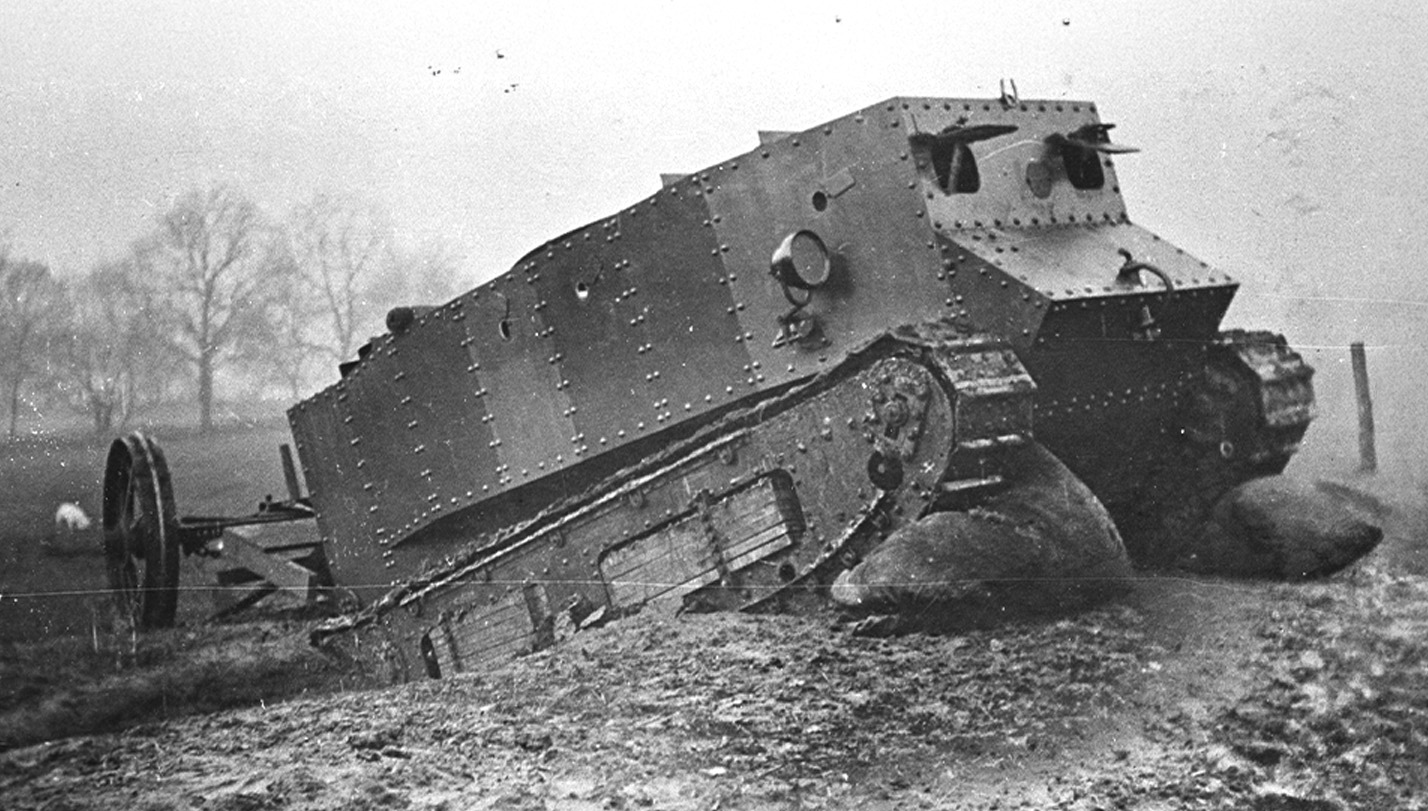
Setting aside early attempts such as the Tritton Trench Crosser, Pedrail Landship and the ludicrous 300-ton Big Wheel Machine, the first practical vehicle design, now part of The Tank Museum collection, was Little Willie, designed and produced by Wm. Foster & Co. of Lincoln.
A prototype that never saw combat, Little Willie, was mechanically sound, having a Daimler-Knight 105hp petrol engine and tracks of a design by William Tritton of Fosters, but a tall boxy shape meant that it was unable to cross a 3m wide gap, the typical width of a German trench.
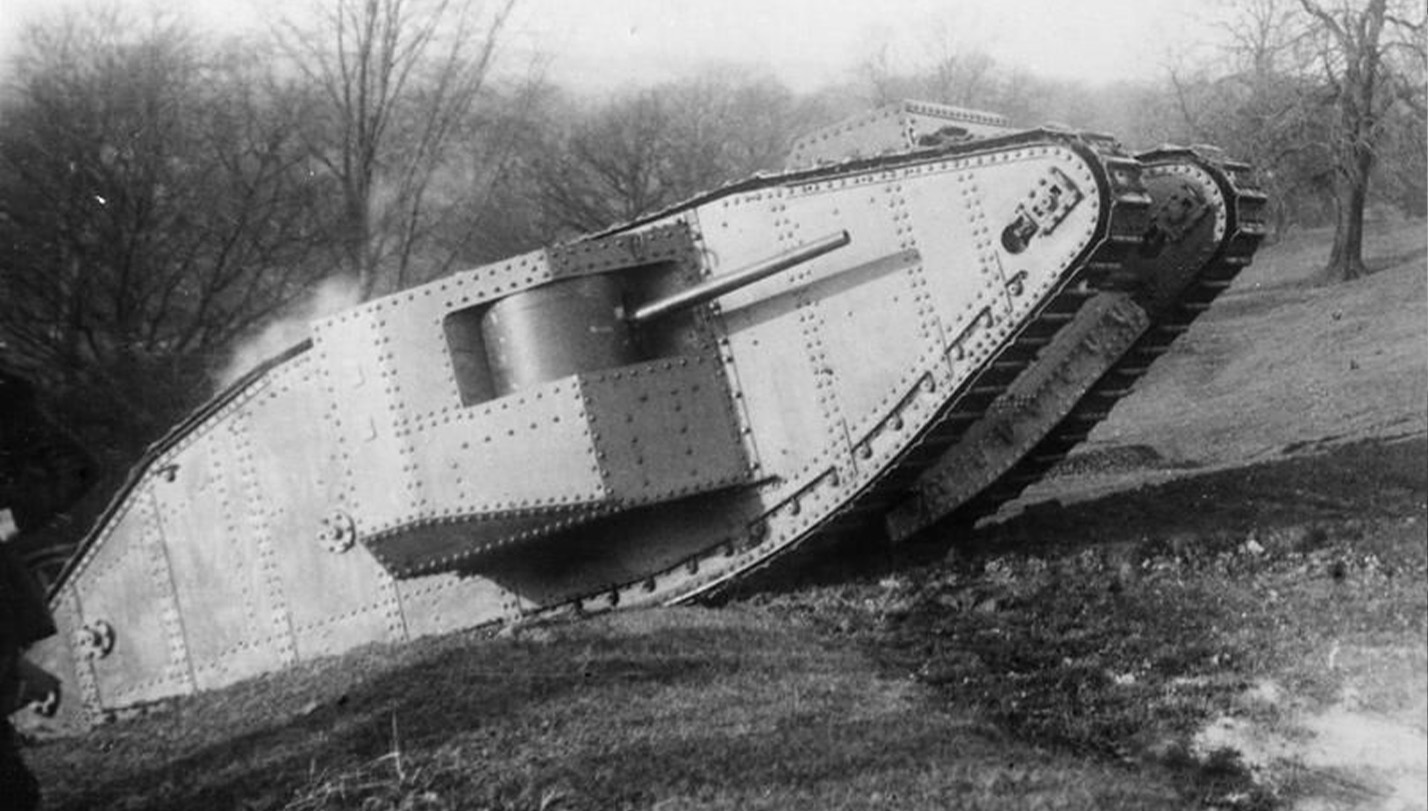
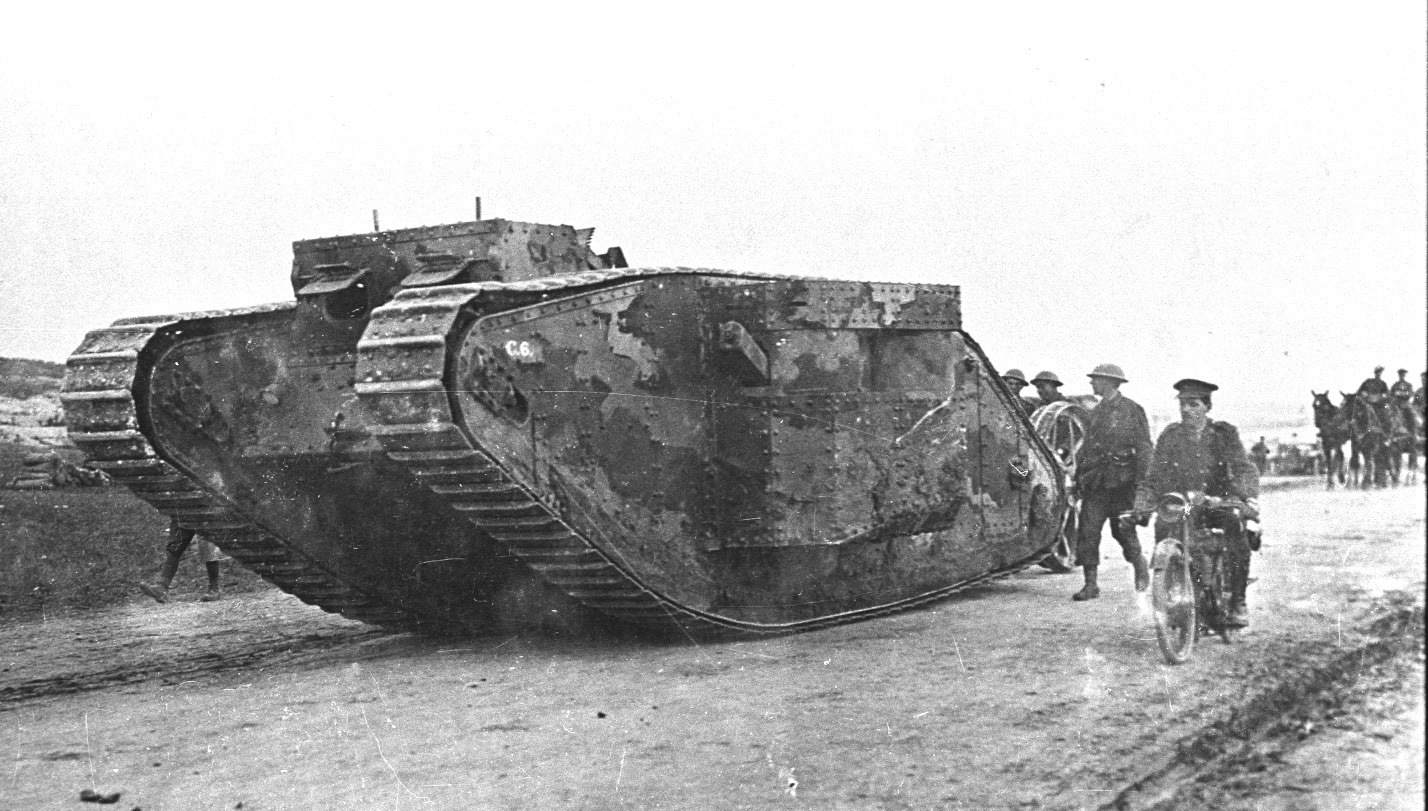
A rapid redesign by Tritton with the assistance of Lt. Walter Gordon Wilson RN, produced Mother, the first Mark I Heavy Tank.
Using much the same mechanicals as Little Willie, Mother’s elongated rhomboid shape with projecting front and rear “horns” made her able to cross an 8ft trench with a 4ft 6in parapet.
A two wheeled rear trail was intended to assist with steering and to act as a counterweight when traversing slopes but was found to be ineffective and would be discarded in subsequent Marks.
Armament was mounted in sponsons on the sides of the tank, which would need to be removed for rail transport. Of the two types, Male tanks carried two 6 Pounder QF Guns with a secondary armament of M1909 Hotchkiss machine guns, Females were equipped with four .303 Vickers guns, two to each sponson, again with secondary Hotchkiss.
With a ratio of two Females to each Male, Female tanks would provide a weight of fire to supress the enemy infantry whilst Males would engage and destroy strongpoints and machine-gun positions.
Armour thickness ranged from 6-12mm, enough to protect the crews from small arms fire, although “splash” and “spall”, round fragments penetrating the joint between plates, would prove a nuisance.
Four of the eight crew – commander, driver and two secondary gearsmen – were required to dive and steer the tank, a process made even more difficult by the noise generated by the unsilenced engine which meant that commands had to be relayed via hand signals.
The engine would also generate a huge amount of heat and leak carbon dioxide in profusion meaning that the fighting compartment of the tank was a truly unpleasant place to be.
Maximum speed was around 4mph on the road, perhaps half that across country. As would be rapidly discovered, a slow-moving target the size of a small cottage would prove vulnerable to German field artillery with fatal results.
The Crews
The need to assemble a large number of men with mechanical aptitude presented a challenge, but crews and depot staff were recruited by combing out men from units such as the Army Service Corps combined with attracting likely candidates from the University OTCs and by advertisements in The Motorcycle newspaper.
Formed as the Tank Detachment of the Motor Machine Gun Service of the Machine Gun Corps, the unit was later renamed the Heavy Section MGC. Its initial base was the Long Siberia Range at Bisley, under the command of Col. Ernest Swinton, a Staff Officer who had been involved in the tank project from its inception.
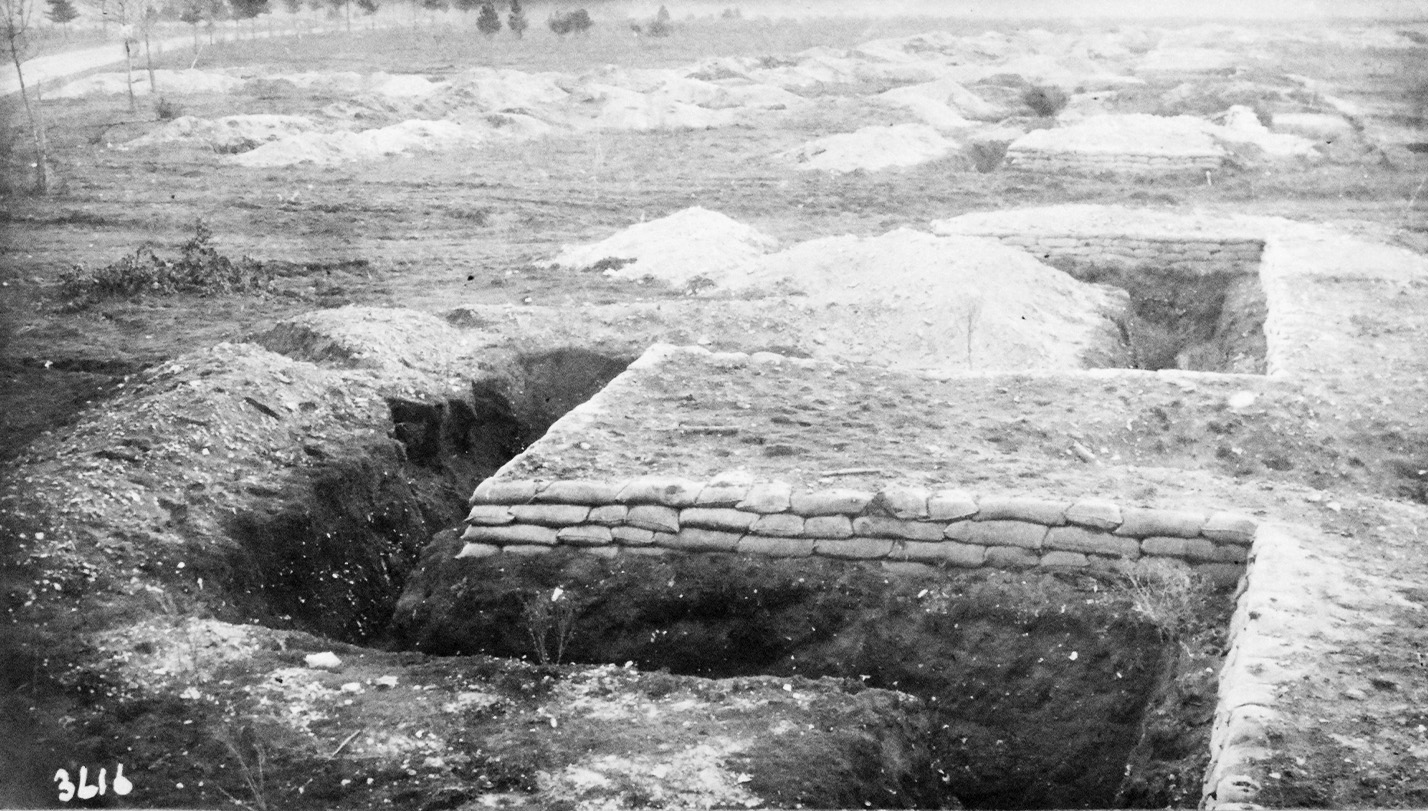
As the unit outgrew the confines of Bisley, a new training area was identified at Elveden in Norfolk and a practice trench system constructed. Tank production was still being carried out by Foster & Co’s. Wellington Foundry in Lincoln although much was taken over by the Metropolitan Works of Oldbury, Birmingham.
Two batches, each of twenty-five tanks, which arrived at Elveden, the first being delivered on June 7th, were enough to equip C and D Companies.
Deployment
Following training, and with the Battle of the Somme raging, the need to deploy tanks to France was urgent. Crews had received a measure of driver and maintenance training at Elveden with the 6 Pdr. gunners training at the School of Naval Gunnery at Whale Island, Portsmouth.
Problems existed such as the shortage of spares and sponsons, the latter meaning that some crews, even up to deployment, had never experienced operating in a full weight closed down tank.
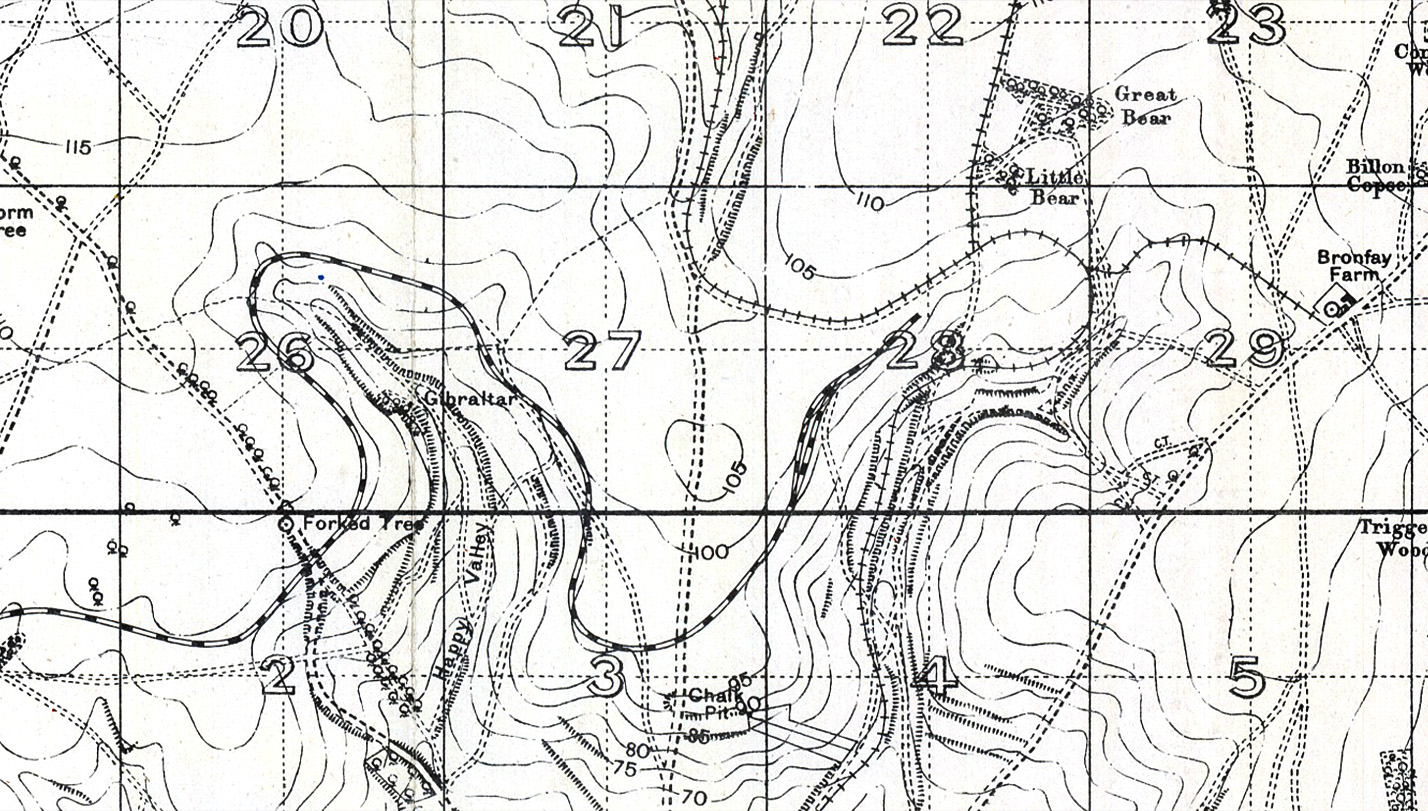
An advance party under Lt. Sir John Dashwood left for France on August 5th, reaching the training area at Yvrench, north of the River Somme, on the 8th, followed by the maintenance staff and tanks and crews of C and D Companies, the first to deploy.
Crews travelled via Southampton to Le Havre with tanks and equipment being transported via Avonmouth. The tanks were then moved by rail to Conteville before detraining and moving the six kilometres to Yvrench under their own power.
Final training followed over the next month, with the crews complaining of having to lay on too many “demo stunts” for interested parties.
Deployment to the battle front was carried out by entraining at Conteville before a move by rail to The Loop railhead on the Plateau 1m Gauge line between Fricourt and Bray sur Somme.
Company HQs had been established at Green Dump west of Longueval and the Briquetterie south of Trones Wood for D and C Companies respectively.
Tanks would refuel at these locations before moving up to their respective start points.
Dawn on 15th September would see the first ever combat deployment of tanks in the Battle of Flers Courcelette.
The Somme Offensive
Following the First Day on the Somme and the lack of a major breakthrough, the summer had become increasing attritional during the period known as the Battle of the Woods (High Wood, Delville Wood, Leuze Wood). Although the fighting would continue into November, autumn was approaching and the Battle of Flers-Courcelette lasting from 15th-22nd September, was the last major offensive action of the campaign.
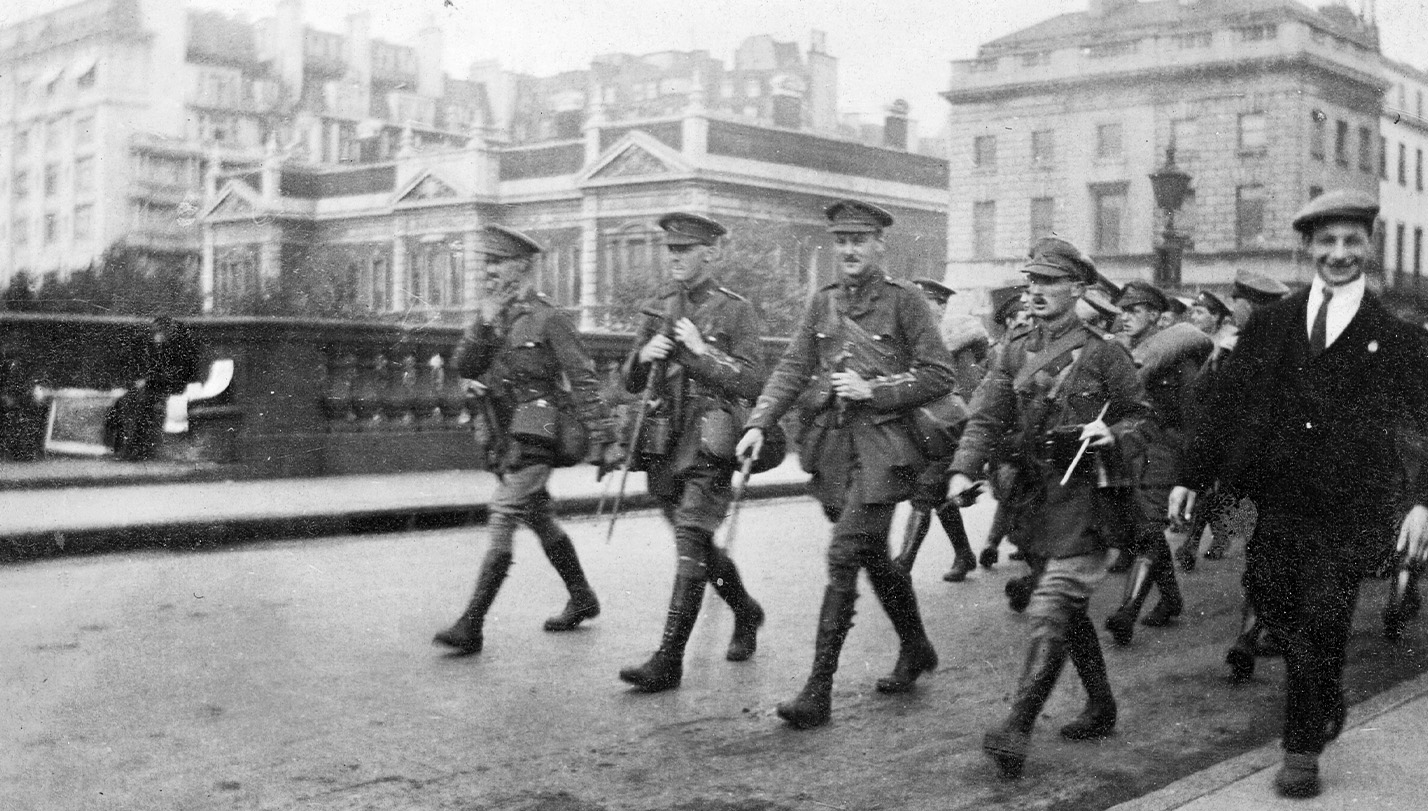
Haig was convinced that a breakthrough was imminent and chose, against some advice, to use such tanks as were available, rather than waiting to use the new weapon en masse.
The offensive was to involve Rawlinson’s Fourth Army and part of the Reserve Army. XV Corps was to break through the German lines northeast of Flers, creating a gap for the cavalry to exploit. Most of the units involved were given three or four objectives, all of which needed to be captured by noon on the first day if the breakthrough was to occur.
A total of forty-nine Mark I Heavy Tanks of C and D Companies were detailed to assist the attack, split between 41st Division in the centre, assaulting the fortified village of Flers, the Guards and 56th Divisions on the eastern flank towards Ginchy and the Canadian Corps of Gough’s Reserve Army, which was to take Courcelette. The Reserve Army’s III Corps was to secure High Wood, Martinpuich and the area to the north.
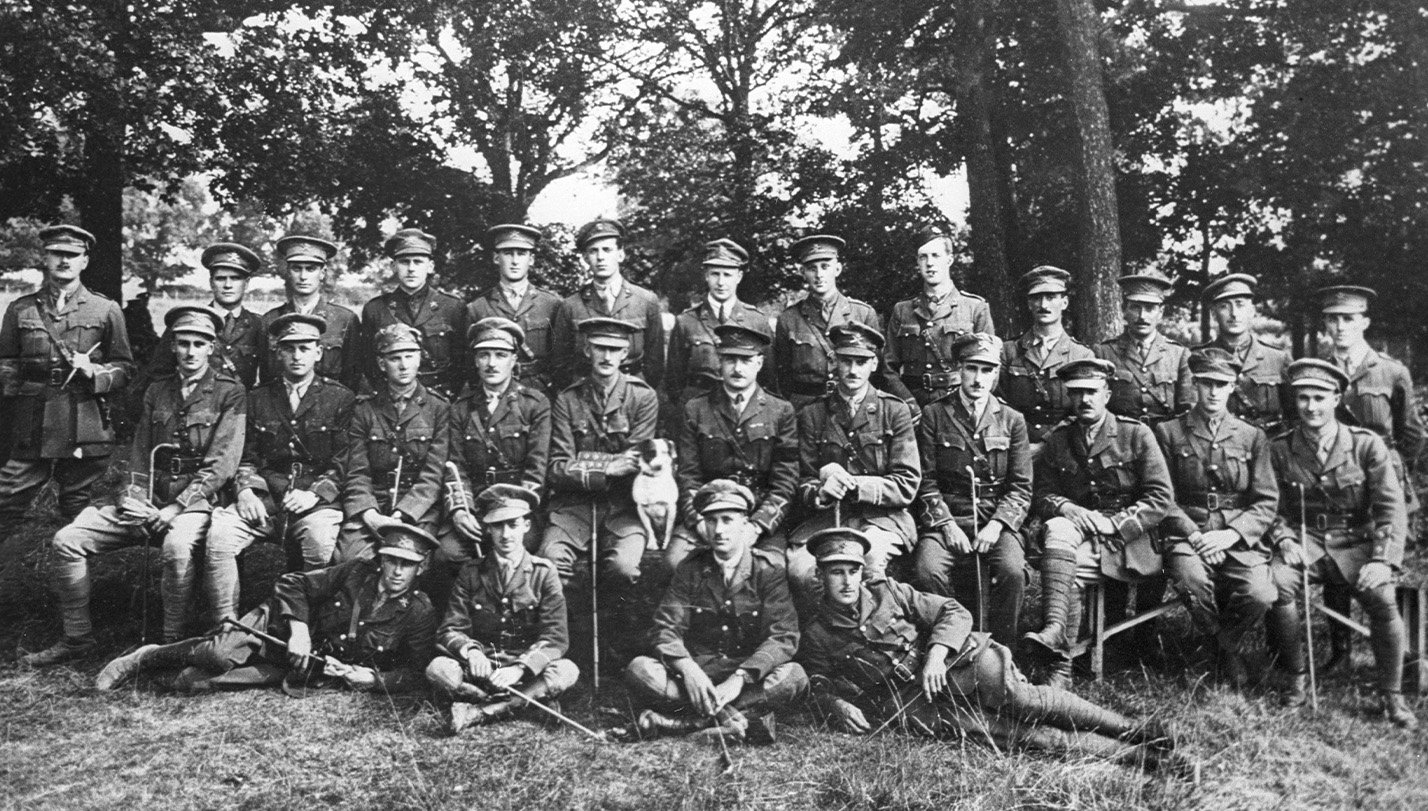
Company HQs had been established for D Coy. at Green Dump near Longueval and the Briquetterie south of Trones Wood for C Coy. Having refuelled at these locations, the tanks would then move up to their start points overnight. Here difficulties became apparent with many failing to make their start points, mainly through ditching or mechanical failure.
The Tanks on the Somme – the First Day
Dawn on September 15th1916 would see the first ever combat deployment of tanks in the Battle of Flers-Courcelette. At 5.30am the British Mk I Heavy Tank, Daredevil 1, commanded by Capt. Harold Mortimore edged around the corner of Delville Wood on the battlefield of the Somme to engage German MG positions in a trench system called the Brewery Salient.
In doing so, Daredevil and her crew made history as the first ever tank in action.
By the end of the following day, tanks and infantry in the Battle of Flers-Courcelette had taken the fortified village of Flers and advanced 6,000 yards on a 3 ½ mile front, prompting headlines in the Daily Mirror ‘A Tank Goes Galumphant Into Action’..
A much-quoted report by an RFC pilot stated that ‘A British Tank is walking up the High Street of Flers with the army cheering behind it’.
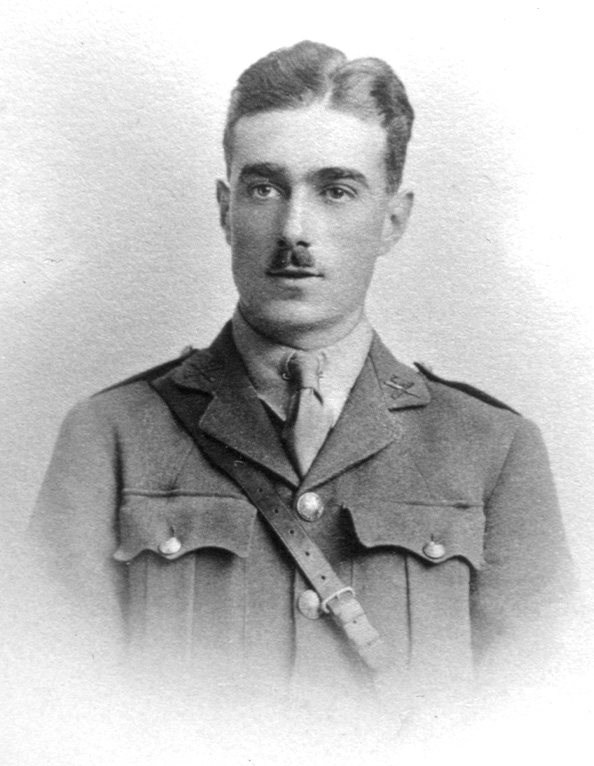
The Centre – Flers
41st Division, tasked with taking Flers, was to be supported by ten D Coy. tanks. Of the seven that reached the start line, one, D15, was knocked out by artillery, D14 ditched.
D5 and D6 supporting 14th Division drove along the eastern edge of the fortified village destroying strongpoints and machine guns while D16 and D18 smashed through the wire and cleared the western edge of the village.
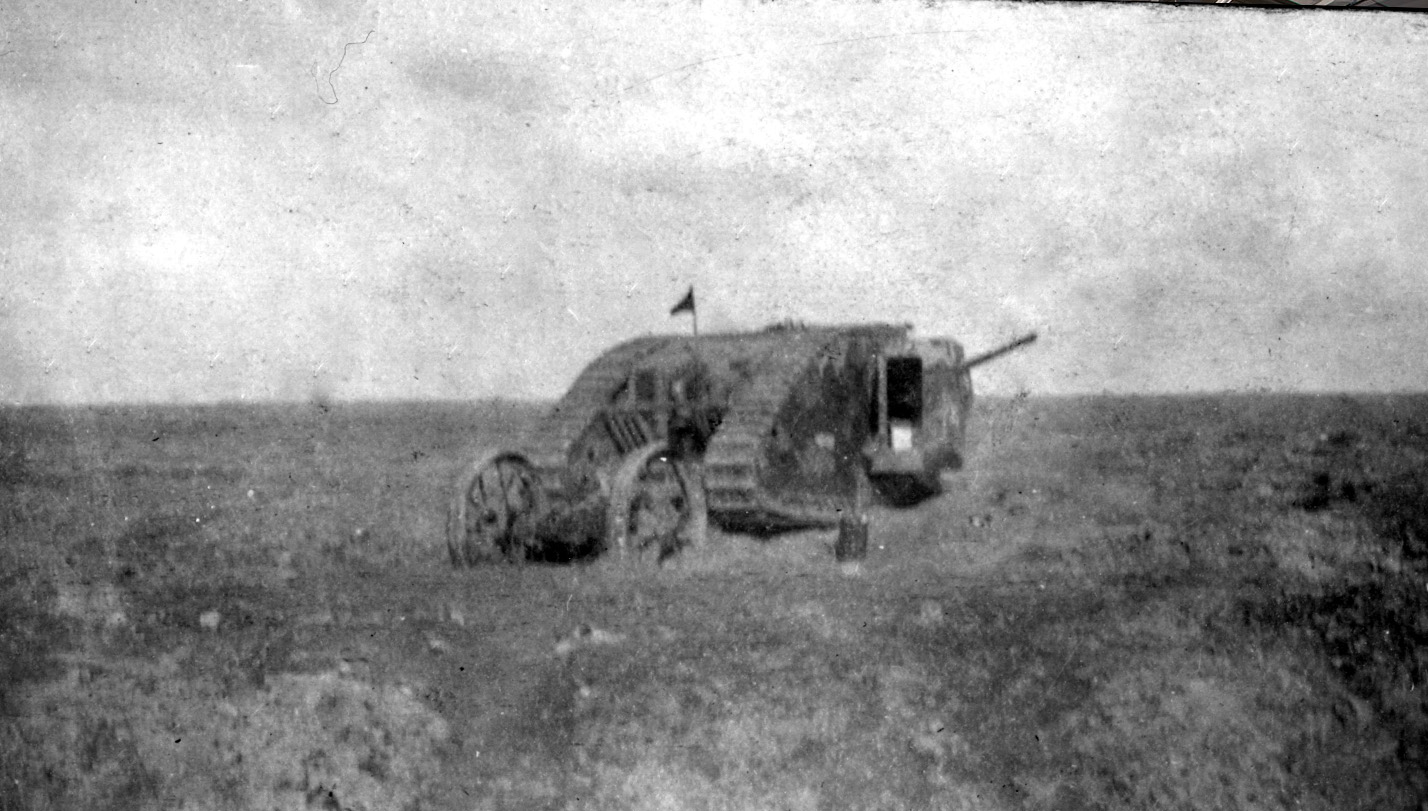
D17, commanded by Lt. Stuart Hastie, was the tank described by a pilot of No.3 Squadron RFC as “driving down the main street of Flers with the Army cheering behind it”.
The Eastern Flank – Ginchy
The ten C Coy. tanks deployed to support the Guards, 6th and 56th Divisions in the attack on Ginchy were to advance in columns of three. Of these, five tanks either ditched or developed mechanical problems so were unable to proceed.
Corunna, commanded by Lt. Frank Arnold, supporting 1/1 Londons of 56th Division, inflicted heavy casualties on the defenders of German positions in Bouleaux Wood before ditching due to steering problems.
Another of the 56th Division tanks, Challenger, was immobilised by indirect artillery fire causing a broken track, but the crew fought the tank until their ammunition was expended, causing heavy casualties among the enemy.
Lt. Basil Henriques, commanding the Female 533, supporting 6th Division supressed the defenders of Straight Trench before retiring with smashed glass vision prisms and wounded crew.
A fragment removed from Lt. Henriques face was mounted as an engagement ring for his fiancée and is now part of the Tank Museum collection.
The Western Flank – Courcelette, Martinpuich and High Wood
The C Coy tanks supporting the Canadian Corps refuelled in Pozieres before moving up to support an attack on the heavily fortified sugar factory at Courcelette. Despite four out of six tanks ditching, Cordon Rouge and Crème de Menthe did very good work supporting the assault, causing large numbers of the defenders to surrender. General Byng, the Divisional GOC, commended their effectiveness.
In the shattered horror that was High Wood, a mix of C and D Coy. tanks were delayed on the way to their start points. The male tank Clan Ruthven, was ditched on tree stumps although Lt. Sampson’s Delilah was able to silence two machine guns before being hit.
Conclusion
This is just the story of the first day, 15th September. Of forty-nine tanks, eighteen reached their start points of which nine hit their objectives with the rest carrying out useful “mopping up”.
Tank actions would continue on the Somme right until the end of the battle in November, assisting in the taking of Thiepval and actions on the Ancre, this despite worsening ground and weather conditions making operations incredibly difficult.
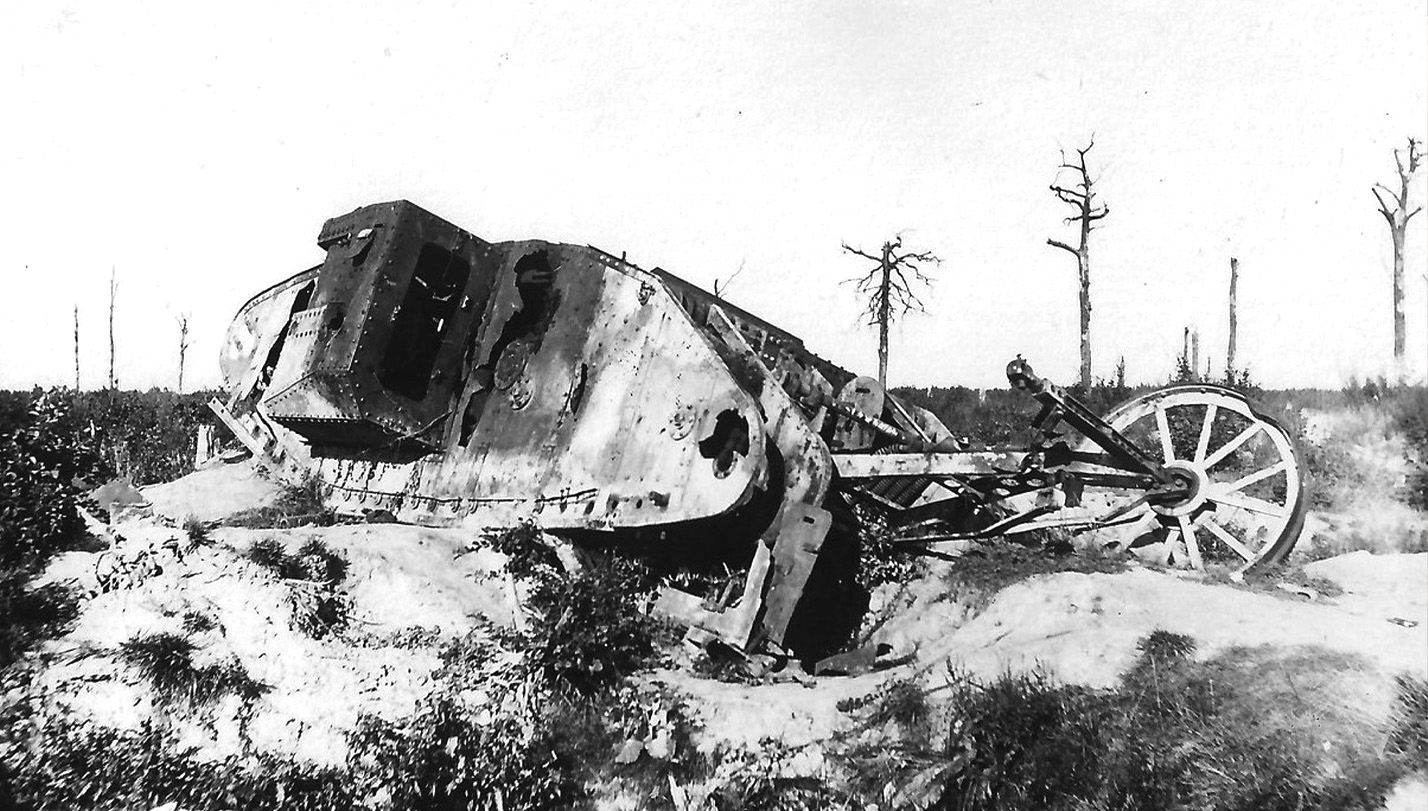
Haig has been criticised for using the small number of tanks available in September rather than waiting for larger numbers and better trained crews. Lack of experience as well as the immature technology told perhaps in the number of tanks ditched as well as the mechanical breakdowns. Infantry-tank cooperation, that staple of warfare ever since, was untried and untested as was the combined arms action using tanks, infantry and artillery.
The first tank crews were pioneers in every sense, taking an untested weapons system into combat in brutal conditions against a highly experienced and capable enemy.
There was much to be learnt, but it would be, as to be shown the following year at Cambrai and in 1918 at Amiens.
They Feared Naught.