Every year for TANKFEST we bring you the star running vehicles from the Museum’s collection.

FV4005
The FV4005 was restored in time for its world debut at TANKFEST 2024. This 1940’s prototype was fitted with an 183mm L4A1 gun, the biggest ever to be fitted to a tank and was designed to defeat the new generation of Soviet heavy tanks.

Panzer III
The Panzer III was conceived in 1934 as the principal combat tank of the Panzer divisions. The Museum’s Panzer III went into action in the North African theatre of war and is believed to have been captured at the Battle of Alam Halfa.

Matilda II
The Matilda II was dominant in the Western Desert battlefield between the autumn of 1940 and the spring of 1941. The Matilda II first saw action at the Battle of Arras in 1940 and was the only British tank used throughout the Second World War. In North Africa the thick armour earned the Matilda II the nickname, ‘Queen of the Desert.’

Churchill III
The Churchill tank was a key British tank design of the period, seeing service in the Dieppe Raid, North Africa at El Alamein, Tunisia, Italy and North West Europe. On long-term loan from the Churchill Trust, this is the only running example of its kind in existence.
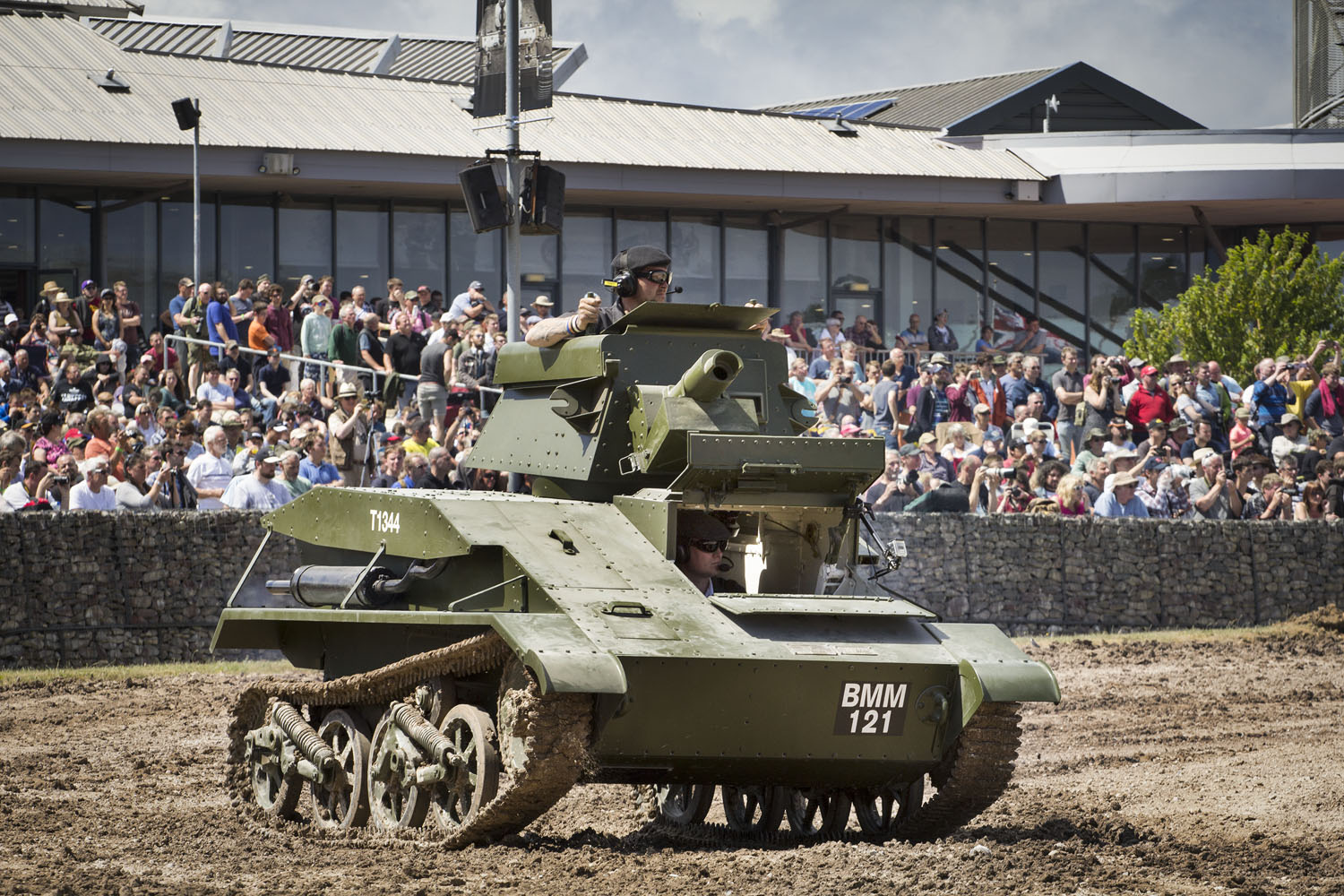
Vickers Light Mk IV
Following on from the Carden-Loyd series of light tracked vehicles the Light Tank series; designed by Vickers-Armstrongs and produced with the Royal Ordnance Factory, was accepted into service with the British Army in 1929. Deliveries of the Mark IV Light Tanks started in 1935 with approximately 160 Light Tanks, Mark II-V, seeing service with the British Army. Additional Light Tanks were ordered by the Indian Government.
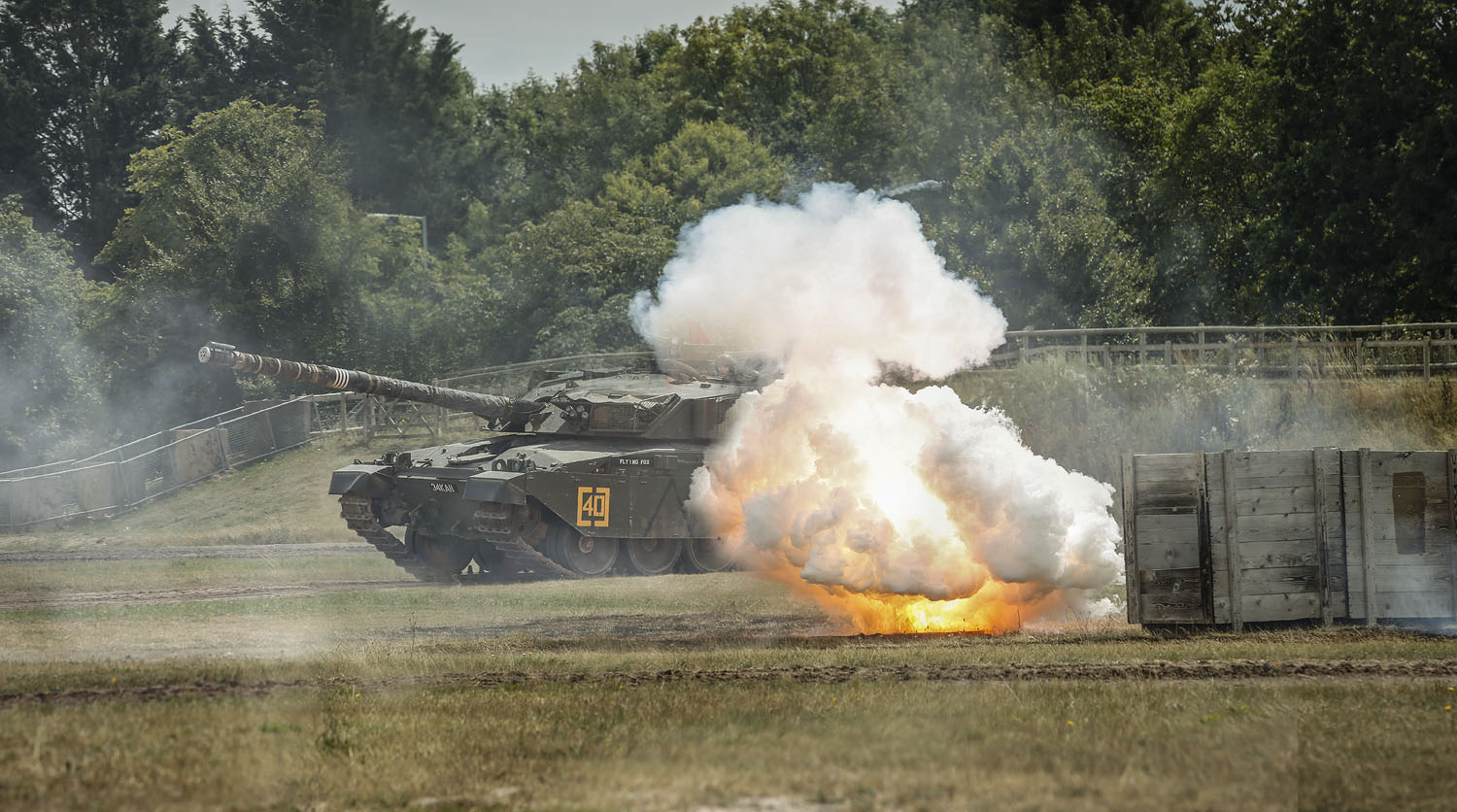
Challenger 1
The Challenger 1 is the second generation main battle tank, successor to Chieftain. It was the first tank designed for the British army with composite armour.
The Challenger 1 joining the TANKFEST stars is called ‘Flying Fox’.
It has a 120mm L11 gun and held the record for the longest kinetic tank on tank kill at a range of 5.1km.

Leopard AS1
Our Leopard AS1 was donated by the Australian Defence Force to The Tank Museum at TANKFEST 2025. The Leopard AS1 was brought into Australian Army service in 1977, the ‘AS’ in the model name comes from the NATO abbreviation for Australia. In 2007 the Leopard was officially withdrawn from Australian Army service, replaced by the M1A1 Abrams.
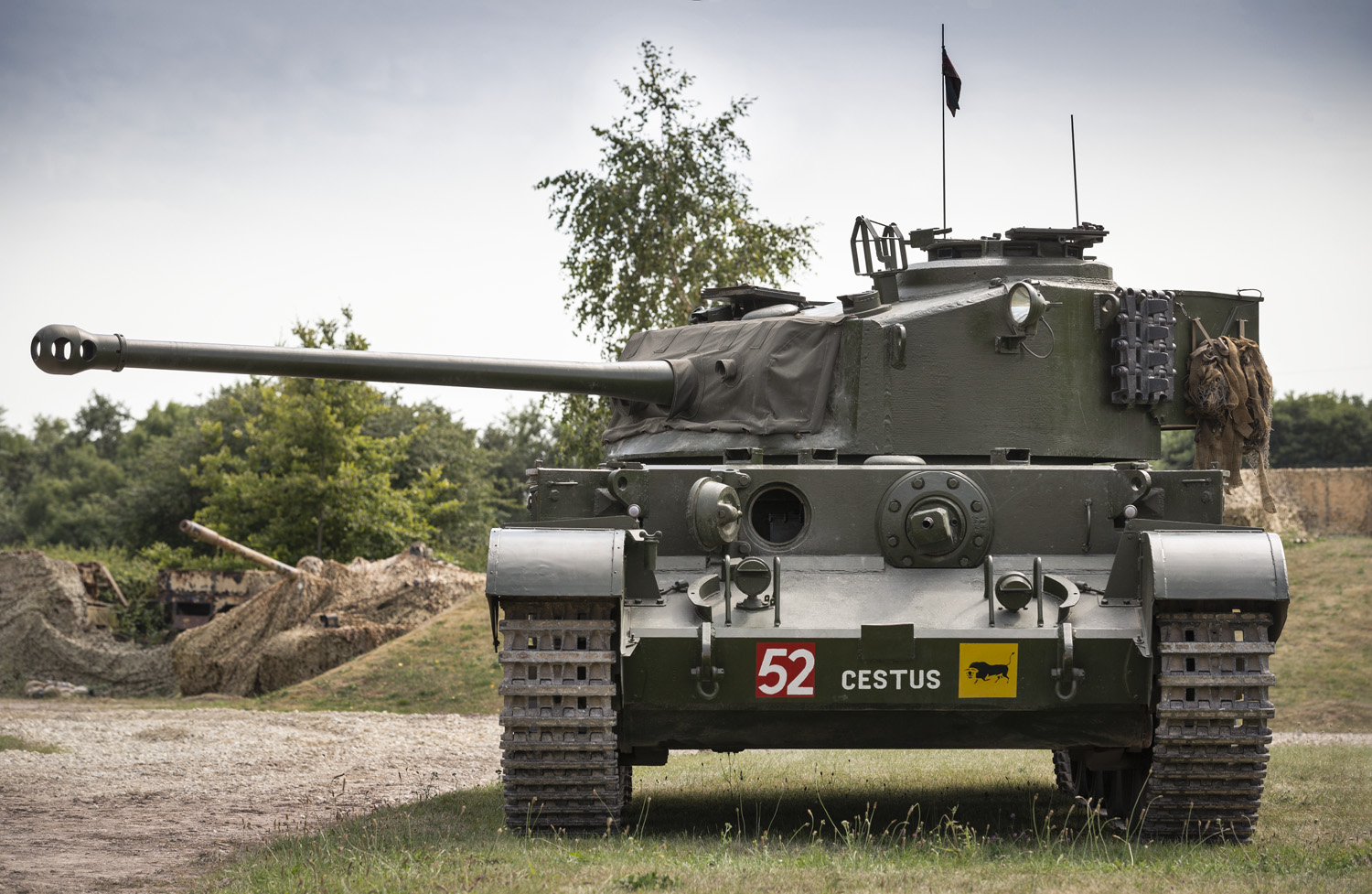
Comet
The A34 Comet was probably the most capable British tank of the Second World War. Developed from the A27 Cromwell, it entered service in early 1945 and saw action in the closing stages of the war during the advance into Germany. Powered by the 600hp Rolls-Royce Meteor V12 petrol engine and armed with a high velocity 77mm gun, the Comet was fast, reliable, and powerful, and was the Western Allies’ first tank that was truly a match for the German Tiger and Panther.

Valentine
Designed by Vickers-Armstrongs Ltd in 1938, this popular tank made a name for itself in the North African campaign and also served with the New Zealand forces Pacific and with Soviet troops on the Russian front.

M4A2E8 Sherman ‘Fury’
The Sherman is the most prolific tank of the Second World War and played a crucial role on all fronts, in all theatres, by all Allied armies. This Sherman came to The Tank Museum in 1985 from the Defence Academy at Shivernham, and is the star of the 2014 film ‘Fury.’