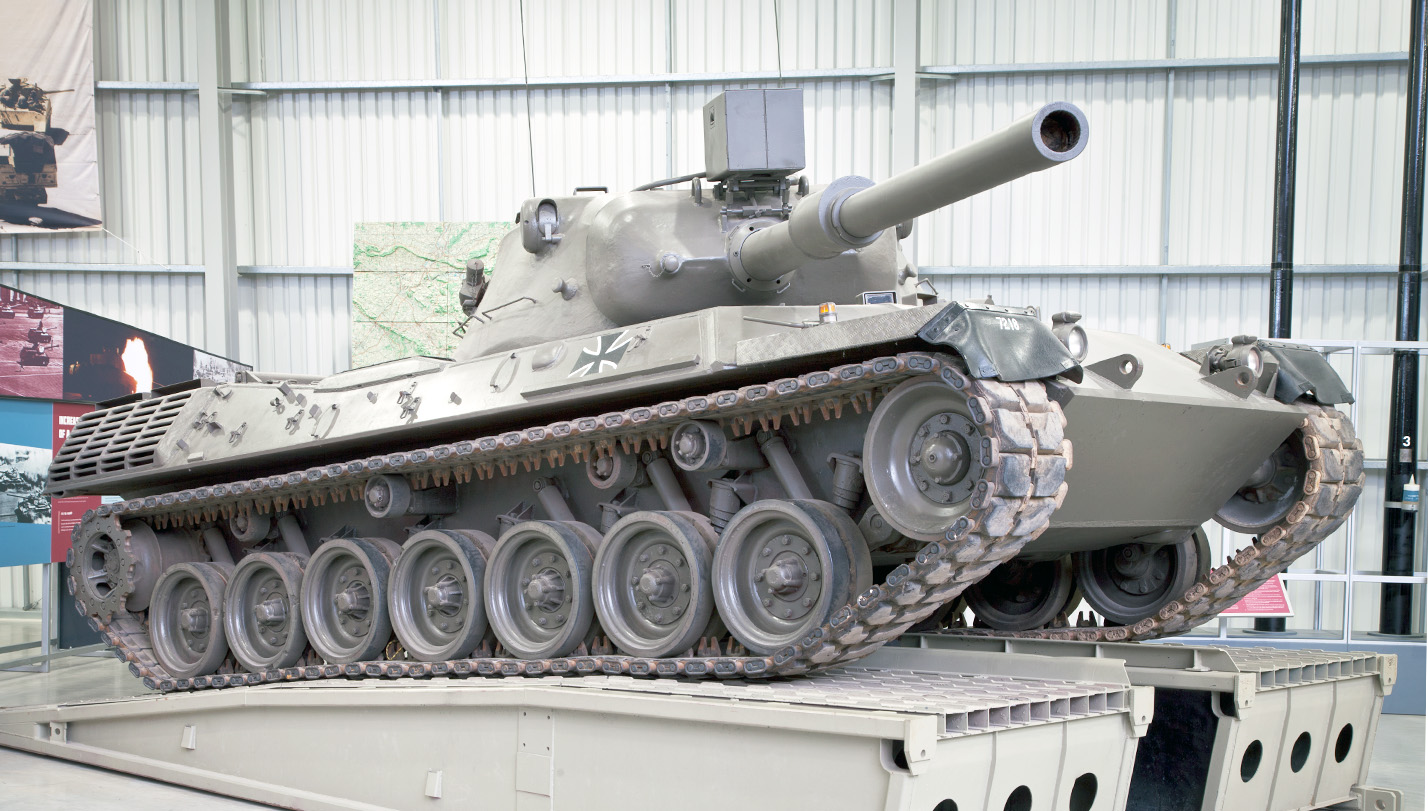
A more mobile ‘big cat’
The Leopard is small and light, very different from the big German tanks of the Second World War. It first appeared in 1963, demonstrating that the German Army has changed its thinking, now believing that the mobility was more important than heavy armour and guns.
Brilliantly engineered, the Leopard is still being modified and improved today. It has been very successful on the export market. Almost every country that used the British Centurion, including Australia and Canada, replaced it with the Leopard.
The Tank Museum’s Leopard
The vehicle shown at the top of this article is a prototype Leopard, dating from 1963. It was used in trials to compare its performance with the Chieftain. Later it served as a test platform for a new gun.
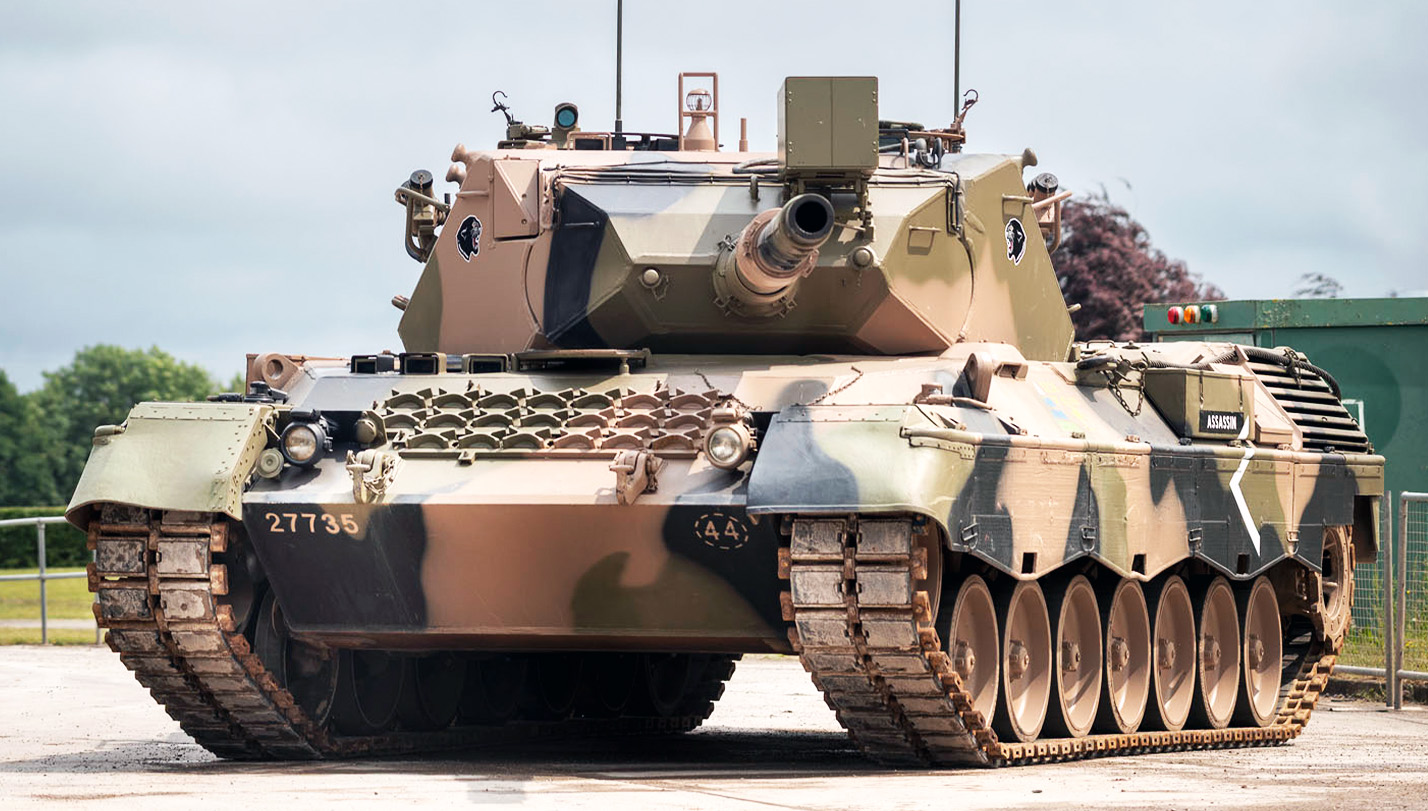
The Tank Museum’s Australian Leopard AS1
The Leopard AS1 was brought into Australian Army service in 1977, the ‘AS’ in the model name comes from the NATO abbreviation for Australia.
Our Leopard AS1 is a former vehicle of the Australian 1st Armoured Regiment, and was generously donated by the Australian Defence Force – arriving at The Tank Museum for TANKFEST 2025.
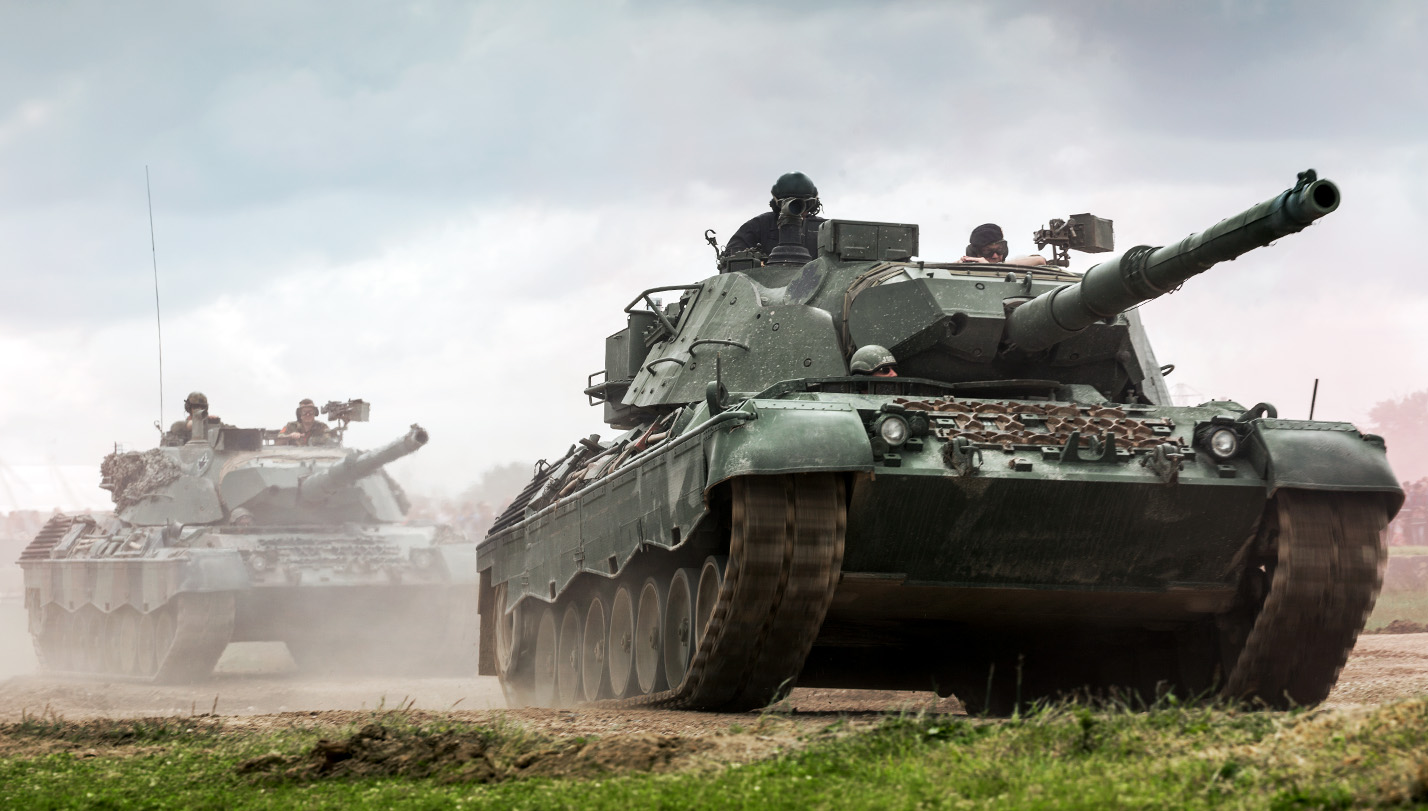
The Tank Museum’s Canadian Leopard C1s
The Leopard C1 was Canada’s Main Battle Tank from 1978. It was based on the Leopard 1A3, but used a different, Belgian, fire control system and had some detail changes.
The service history of our two Canadian Leopard C1s is unknown. They came to The Museum in 2006 – and can often be seen flying around the arena at our special event days.
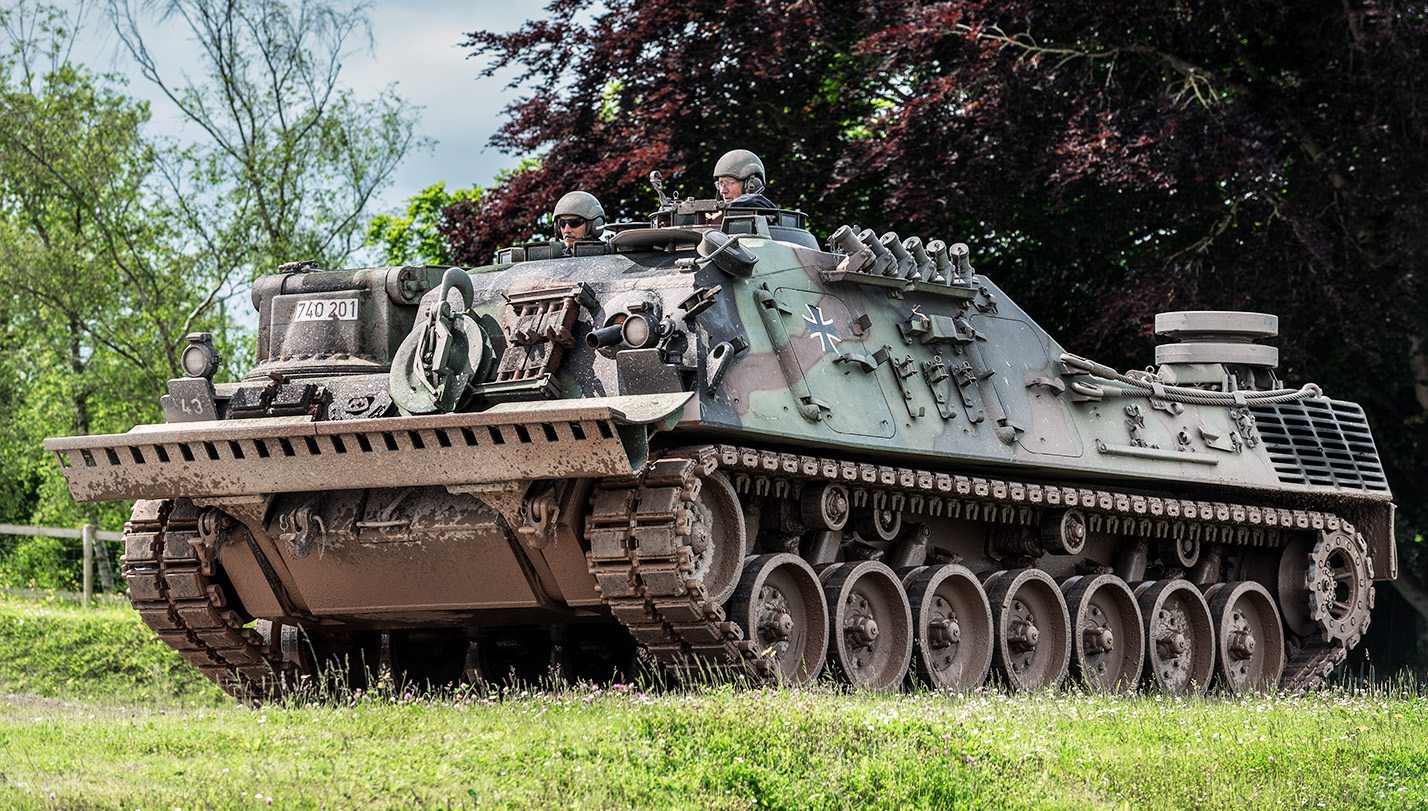
The Tank Museum’s Leopard Recovery Vehicle
The Bergepanzer 2 armoured recovery vehicle, based on the Leopard 1, is powered by the MTU-838 engine, generating 819hp.
As well as the crane, the Bergepanzer has a dozer blade, winch, and a range of tools to help recover and repair damaged or bogged vehicles.